Ecclesiastes 5:18-20, Luke 18:18-30, 19:1-10, 1 Samuel 16:7, 2 Corinthians 8:12, 9:6-11, Psalm 37:23-26
The Big Idea: Have you ever known a generous man who was not fundamentally happy with his lot in life?
In this weekโs lesson weโre going to explore the relationship between money and happiness. There is a connection, but it may be different than you think! In this lesson Patrick Morley helps us โfollow the money.โย Youโll learn how you can use money to buy happiness.
The Journey to Biblical Manhood
Challenge 8: Money
Session 2: What If God Told You Money Can Buy Happiness?
Unedited Transcript
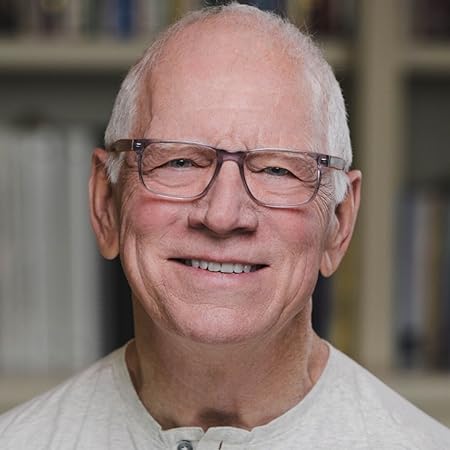
Patrick Morley
ย
Welcome to the Man in the Mirror: Menโs Bible Study. If you would please, turn in your Bibles to Ecclesiastes chapter five, and weโll start at verse 18. We are in this series, the journey to biblical manhood. Weโre going to start today with a shout out to a group that has joined us, theyโre the โMenโs 730 Bible Study Groupโ. Theyโre led by David. David, Iโm going to pronounce your last name McKelvey, but I was thinking about it, thereโre probably about three or four different ways to pronounce it, so if I did that wrong, Iโm sorry. David McKelvey, this group is in Killen, Alabama. About a dozen guys, they meet on Wednesdays at 7:30 AM. Theyโve been meeting for four years, theyโre comprised of strong, Christian men with hearts to grow and multiply in discipleship by starting other groups.
Kind of sounds a little bit like Man in the Mirror Bible Study. Welcome, weโre really glad to have you with us. Would you join me in giving a very warm and a rousing welcome to the 730 Bible Study Group?
One, two, three. Hoo-rah. Welcome, guys. Weโre so glad to have you a part of the Bible study. All right. Yeah. The journey to biblical manhood. Today, we are in the second week of our eighth challenge on money. The faith and life objectives, the cards are on the table. Weโre going to be focusing in on the heart piece this week, the second bullet. I will love God more that possessions and be a cheerful steward. What if God told you that money can buy happiness? Thatโs the title of the message today.
Weโre going to start at Ecclesiastes chapter five, verse 18. Read along silently with me if you would. โThen I realize that it is good and proper for a man to eat and drink and find satisfaction in his toilsome labor under the sun during the few days of life God has given him. For this is his lot. Moreover, when God gives any man wealth and possessions and enables him to enjoy them, to accept his lot, and be happy in his work, this is a gift of God. He seldom reflects on the days of his life, because God keeps him occupied with gladness of heart.โ
Is there anybody here who would like to be this guy? All of us would love to be this man, would we not? What is this lot in life that heโs talking about? John 10:10, Jesus says, โI came that you might have life, and might have it abundantly.โ Couple of weeks ago, when we were talking about mission, we talked about the idea of abiding in Christ versus striving for Christ. We looked at John chapter 15, and there was this idea that the man who abides in Christ obeys him. The love of Jesus will abide in him, and his joy will be made full.
We had a man come here one time who told me that he and his wife who had no children, lived in a 7000 square foot home, and they had all kinds of other possessions and moneys. He was depressed. His wife said to him, said, โWhy are you so depressed? We have everything we could possibly want.โ He said, โWe donโt have anything.โ We donโt have anything.
I want to tell you this morning the tale of two men. The first of those men is very much like the guy I just described. Turn with me to Luke chapter 18. Weโre done in Ecclesiastes. Luke chapter 18, and by the way, if youโre not one of these people who can buzz around in the Bible, thatโs fine. You just feel free to listen. Luke chapter 18, verse 18. By the way, this story is not a parable, itโs an historical account, this story is in Matthew, Mark and Luke. Thereโre three different replications of this story, each of them telling essentially the same story, but with a few details that are different.
Weโre looking at the passage in Luke. โA certain ruler asked Jesus, good teacher, what must I do to inherit eternal life? โWhy do you call me good?โ Jesus answered. โNo one is good except God alone. You know the commandments do not commit adultery, do not murder, do not steal, do not give false testimony, honor your father and mother.’โ What are these from? These are right out of the 10 commandments. You will remember, perhaps you know it right now, but youโll remember when I remind you, that there are four commandments that deal with our relationship with God, donโt worship false gods, donโt make idols, donโt take the Lordโs name in vain and keep the sabbath. The other six are more horizontal and deal with our relationships with people.
Itโs interesting, it is interesting, that here, Jesus refers to those horizontal commandments. The man says in verse 21, โAll these, I have kept since I was a boy.โ Then in the Matthew version, the man goes on to say, โWhat do I still lack?โ Now, itโs interesting, donโt you think that a man who had kept all these commandments still has this intuitive sense that somethingโs lacking in his life. Heโs a good man. Heโs a righteous man. There are moral men all over our community, all over the communities of those of you whoโre watching online, or listening online.
There are moral men in our communities, theyโre righteous men. Theyโre not committing adultery, theyโre not stealing, theyโre not defrauding. They are honoring their parents. Theyโre doing all these things, and yet, they still feel like something must be missing. Whatโs wrong with you? We have it all. We donโt have anything. Thereโs this intuitive sense that something is still missing.
Then Jesus, when he heard this, and by the way, the Mark passage says that when Jesus heard this, he looked at him, and he loved him. Itโs the agape kind of love, Jesus loved him. He saw this man in this conundrum of being a righteous man, a moral man, a good man. A good man. He said this man in this dilemma of leading a righteous life, and yet, feeling depressed, like something was missing. He loved him. Jesus said, โYou still lack one thing. Sell everything you have and give to the poor, and you will have treasure in heaven. Then, come follow me.โ
When he heard this, he was very sad, because he was a man of great wealth. Then Jesus looked at him and said the verse that I referred to briefly last week, โHow hard it is for the rich to enter the kingdom of God. Indeed, it is easier for a camel to go through the eye of a needle than for a rich man to enter the kingdom of God.โ Now, there are some people standing around observing all this, and when they heard that, they said, then who can be saved? Who can be saved?
Jesus said, โWhat is impossible with men is possible with God.โ Peter, Peter, who is our spokesperson, asks all the questions we really want to ask, he said, โWeโve left everything to follow you. What do we get?โ Jesus said, โI tell you the truth. No one who has left home or a wife or brothers or parents or children for the sake of the kingdom of God, will fail to receive many times as much in this age, and in the age to come, eternal life, the word of God.โ
Whatโs going on here? It sounds to me like you can buy salvation. Is that what it sounds like to you? At first blush, it might. You will notice that in this text, that the selling of everything is not the positive thing that gains the salvation for the man. Itโs the removal of the obstacle thatโs keeping him from following Jesus. This verse is a conundrum to many men, and me for a while, but I spent a lot of time on this in yearsโ past.
Thatโs it. Itโs not the adding of the good work, itโs not about doing a good work that gains you salvation, itโs about removing the obstacle thatโs keeping you from that full surrender. Jesus says that this is how you get to the kingdom. The come follow me. Follow me, thatโs how you get into the kingdom. But, you have something that is an obstacle, that is keeping you from following me. He said, โCome follow me,โ and the man did what? He went away sad. Because why? Because he had great wealth, it was the money that was the obstacle, that was keeping him from the surrender to Jesus. It was not the positive thing that he was getting ready to do, the additional righteous thing, to keeping all these other commandments, there was finally going to be enough to earn him salvation. That was not it. It was the thing that was keeping him from a full surrender to the lordship of Jesus.
Thatโs one man. Itโs interesting. Jesus knows each of us. He knows what has arrested our affections. He knows what has arrested your affections. Thatโs the thing that heโs going to ask you to surrender to him. Now, if this man had been addicted to pornography, which is one of the big issues in our culture today, then thatโs the thing that Jesus would address. Weโre talking about money, and in this case, itโs money. Materialism is just another word for idolatry. Money idolatry. Materialism is just โฆ
Of course, Iโm a recovering materialist, so I have plenty of credentials to talk about this. Once a materialist, always a materialist. I still, I love nice things. I think I keep a pretty good balance of it. Ever since Amazon Prime came out, man, Iโm right back in it. My wife said to me last week, she said, โDo I need to freeze your Amazon account?โ I said, no, but I was thinking, yeah, please, do it.
Iโm on an Amazon Prime fast right now. Because itโs the thing that distracts me from that full total complete surrender to the lordship of Jesus. Little bit anyway. Thatโs one man. We saw what happened. What wouldโve happened? What wouldโve happened if heโd have sold everything? We donโt know exactly what wouldโve happened in his life, but we do know that he wouldโve come to Jesus and that we also know from all the passages, that Jesus wouldโve given him an abundant life.
Perhaps, who knows, perhaps Jesus would say, โOkay,โ heโs got everything up on auction, and just before the gavel goes down, Jesus says, โOkay, I believe you. You keep it now, but use it for my glory.โ He couldโve done that, right? Couldโve done it anyway, or, you know what Iโm saying.
Now, letโs take a look at a second man, which is in the 19th chapter, at verse one, and this is the man Zacchaeus. Jesus entered Jericho and was passing through, and a man was there by the name of Zacchaeus. He was a chief tax collector, and was wealthy. He was Jewish, but he had basically sold out to the Romans, and was extolling higher taxes than probably were warranted from the people. Oh my gosh, that just sounds like our country. Just kidding. I donโt think we pay too much in taxes personally. Lot of people do. Not a big deal. Just differences of opinion.
Verse three. โHe wanted to see who Jesus was, but being a short man,โ physically short, โhe could not because of the crowd. He ran ahead and climbed a sycamore tree to see him, because Jesus was coming his way.โ Itโs really interesting that he was willing to go out on a limb to see Jesus. Verse five, โWhen Jesus reached the spot, he looked up and he said, โZacchaeus, come down immediately. I must stay at your house today.’โ Jesus, first Samuel, 16:7, says, โMan looks on the outward appearance, but God looks on the heart.โ This is with the selection of David to be the next king out of the sons, seven sons.
It says that God looks on the heart, man looks on the outward appearance. Jesus was looking on his heart, when he said, โHey, come down, Iโm going to be with you today.โ He saw something. He saw his guy out on a limb, he said man, this guyโs going out on a limb to see me, I want to spend some time with him, but he also saw right into his heart.
Just remember, when weโre talking about these things today, youโre probably thinking if youโre like me, this is human nature, we think about all the people whether are like this that we know, that shouldnโt be like that. We judge them. What first Samuel 16:7 tells us, is that since we look on the outward appearance, that we have obstructed view seating in other menโs lives. We have obstructed view seating I another manโs life.
Iโm thinking about one guy right now who I set years and years and years thinking about him with ill feelings or, not feelings, but I had a bad opinion of him. But, then many years later, Iโve learned that he was one of these men who believed very strongly about the idea of not letting the left hand know what the right hand is doing, and is giving. I learned that he was extremely generous, and he was extremely generous to poor people, and he was extremely generous to poor people by giving it secretly and privately and anonymously to them. I happened to discover that almost by accident, but I had obstructed view seating of him for years.
Of course, then I repeated that. I think God allowed me to have a long time of thinking of him in a wrong way so that itโd be more explosive to me when the epiphany came. It did change, it actually changed the way I look at everybody. I actually look at everybody, that woman walking right there, that guy right out there, you right over there, I look at everybody differently now.
I was telling a guy I had breakfast with, he was a younger guy, Iโm in my 60s. The waitress is 23. I just said to her, I said, โYou know, you are so beautiful.โ She walked away and he said, โYou know she is, but you can get away with that. I couldnโt say that.โ I said, yeah, but I said, I look at her and I see her beauty, but the first thing that actually comes โฆ The beauty came to mind first, but the next thing on my mind is that I wonder where she is on her spiritual journey. I wonder where she is on her spiritual โฆ
This is just a way of looking โฆ That all happened because of obstructed view seating with one man, that I now think about, I wonder what the state of her soul is. I wonder where she is. Hereโs this guy, Zacchaeus, and in verse five, โโI must come and stay at your house today.โ He came down at once, and welcomed him gladly. All the people saw this, and they began to mutter.โ Mutter, mutter, mutter. You got people whoโre really close to Christ and doing a great, you have people who are in the kingdom, and the mutterers, and then you have the people that are outside.
These are people muttering. He has gone to be the guest of a center, but Zacchaeus stood up and said to the Lord, โLook, Lord, here and now I give,โ watch this, โhalf of my possessions to the poor.โ Letโs just stop there. I give half of my possessions to the poor. Just think about what you own, and just think about taking half of that, giving away half of everything that you have to the poor.
This is a guy โฆ What if God told you money can buy happiness? He did tell the rich young ruler, hey, money can buy you happiness. Get rid of it, and youโll be happy. Watch what happens here. โLook, Lord, here now I give half my possessions to the poor. If Iโve cheated anybody out of anything, I will pay them back four times the amount.โ This man has just committed a fortune. Because Jesus came into his life.
Jesus said to him, and watch this, โToday, salvation has come to this house.โ What if God told you money can buy happiness? Guess what? Through generosity, this man revealed externally an internal change of heart that had taken place. Jesus said, โToday, salvation has come to this house, because this man too is a son of Abraham, that the son of man came to seek and to save what is lost.โ
You have this tale of two men. What you see here is that actually, money can contribute to our happiness when we use it for the glory of God. Money can prevent us from being happy when we donโt use it for the glory of God. There is a sense in which it can, and of course thereโs a sense in which it canโt, letโs take a look at big idea today.
The Big Idea of the day is a question. Have you ever known a generous man who was not fundamentally happy with his lot in life? Have you? Have you ever actually personally known a man who had a spirit of generosity, a tither, basically, a tither plus, have you ever know a man, and I would define a generous man as a minimum of 10%. At least 10%.
Hereโs the deal. Itโs not that we give God 10% of our money. Itโs that God lets us keep 90% of his money. You see how that works, right? A generous man, I would define as somebody whoโs doing a tithe or more. Have you ever known one of those men whoโs not fundamentally happy with his lot in life? Thatโs what weโre talking about at the very beginning, Ecclesiastes. Wouldnโt we like to be that man, who is glad with our lot in life?
I say fundamentally happy, because nobodyโs happy all the time. You know what Iโm talking about. There are times when you feel the weight of the world, but, if you have a spirit of generosity, even in those times when you feel like your headโs in a vice, and your bodyโs being crushed by one of those machines that crush cars, still, thereโs this underlying fundamental satisfaction or happiness or joy or peace or whatever you want to call it, contentment, with your lot.
This is a cluster, you see. Happiness, itโs a cluster of a lot of words. I just used most of them. Itโs a cluster. Fundamentally happy or satisfied with your lot in life. Even in difficult times. What does it mean then to be generous?
Letโs turn to second Corinthians chapter eight. Second Corinthians chapter eight. Letโs look at verse 12. Second Corinthians chapter eight, verse 12. What does it mean to be generous? If you have money, it can be money, if you donโt have money, it doesnโt have to be money, I remember the story one time about a man who was walking down the street eating some green grapes. He walked by a man who was begging for money. He was really enjoying the grapes, he took a few steps, and he sensed the Lord telling him to offer those green grapes to that beggar. He thought to himself, โIโm really hungry and these are really good grapes. I donโt really want to give these green grapes to this beggar. But, Lord, if thatโs what you want me to do, then Iโll offer my green grapes to this beggar.โ
He turned around, he went back and he said, โHey, man, you interested in having these green grapes?โ The guy said, โYeah, Iโll take them.โ He gave them to him and he went on his way. He said, โI have no idea what that was about. I have no idea what that was about.โ Said, โbut I donโt need to know. I donโt need to know.โ He was just being what? He was being generous. He was giving what he could. Thatโs what this text here says.
Watch this. โFor if the willingness is there, the gift is acceptable. According to what one has, not according to what he does not have.โ You remember this story perhaps in the book of Acts, Peter is going up with his associate, I canโt remember, James, John, somebody. Peterโs going up, and thereโs a beggar, and the beggar looks up at Peter when he speaks to him, and expecting something. Peter says, โSilver and gold have I none, but what I do have, I give you. In the name of Jesus,โ he said, โstand up and walk,โ and he healed him. He didnโt have any silver or gold, but he was being generous.
Thereโs this element of generosity, that you may have a lot of money, but you may not have a lot of money. That doesnโt mean that you ant be generous. Then over in chapter nine, verse six, โRemember this. Whoever sows sparingly will reap generously.โ ย Oh, Iโm sorry. โRemember whoever sows sparingly will also reap sparingly, and whoever sows generously will also reap generously.โ This is often called the law of sowing and reaping. The law of sowing and reaping. Every farmer knows the law of sowing and reaping. The more you sow, the more you reap.
It is a spiritual principle, itโs this principle of generosity. โEach man,โ it says, verse seven, โShould give what he has decided in his heart,โ weโre on the week of the heart, โIn his heart to give, not reluctantly, or under compulsion. For God loves a happy giver.โ Can you buy happiness? God loves a cheerful giver. God is able to make all grace abound to you, so then in all things at all times, you will abound in every good work.
Verse 10. โNow, he, God, who supplies seed to the sower and bread for food will also supply and increase your store of seed and will enlarge the harvest of your righteousness. You will be made rich in every way so that you may be generous on every occasion, and through us, your generosity will result in thanks giving to God.โ
What does it mean to be generous? Itโs to meet, the need of anybody you see, whose need youโre able to meet. Thatโs what it means to be generous. Itโs to meet the need of anybody you see whose need youโre in a position to meet. If youโre not at a position to meet it, then you donโt do it. That could be physically, but it could also be, the Lordโs telling you, donโt do that.
For example, some of you drive up to the beggars on the street corners, the guys with the signs and the $150 sneakers, and the Lord says to you, give the money. You give them money. To others of you, you come up to the sign and you feel prompted not to give them money. Okay. Either way, doesnโt make any difference. Thatโs an evidence of seeing someone who may be in need, who you are either in a position to meet that need, because the Lord prompts you, or youโre not in a position to meet, because the Lord doesnโt prompt you.
Youโre walking down the street, youโre eating green grapes, and you see the man sitting over there begging, and you keep walking down the street, because the Lord doesnโt prompt you to do it. Thatโs okay. The idea of having this generous spirit, Iโve personally, there may be somebody, but Iโve never met them, Iโve never personally known a man who tithes, who is not basically a happy person. Iโve never known a guy who tithes whoโs basically not a happy person. On the other hand, Iโve known lots of men who were financial holdouts on God, who were trying to have the cake and eat it too and blah blah blah, who are miserable, but Iโve never known a man who tithes whoโs basically not a happy person.
The Big Idea today, Have you ever known a generous man whoโs not fundamentally happy with his lot? Finally, the faithfulness of God, turn to psalm 37, verse 23. Psalm 37, verse 23. I was answering an email one day to a guy, and he wrote a question about, this is what he wrote. He said, โI have a question about tithing. I have not treated Godโs money very well over my life. Iโm 52, married five years, and have three very young children. Unfortunately, Iโm embarrassed to say we have no savings, and about $38,000 in debt outside of our condo mortgage. $12,000 credit cards, $10,000 student loans, $15,000 from a friend who loaned me the money to buy the condo.
โWeโve been giving five to 7% of our net income until this year when we upped it to 10% of tithe. If we did not tithe, we could put that money to our credit cards, and pay them off much sooner. Do you think it would be biblically wrong or does God want us to suffer,โ which is a presupposition by the way, โand pay the price for my immature and irresponsible attitudes towards money?โ
Itโs a fair question. โOur financial situation is a large source of tension in our marriage.โ Of course it is. โI feel I have let our family down.โ Of course you do. โMy wife asked me to shoot โฆโ Oh no. To shoot myself, no. โMy wife asked me to shoot you a message to see what you think.โ
Here is my response. Hereโs how I answered him. I said, A, no one else can tell you what Godโs will is for anything, unless it is specifically commanded or prohibited by scripture. Have you heard that one before? How many times have I told you that, right? In my opinion, however, I went on, in my opinion, tithing falls into this category that is commanded in both the old testament and confirmed by Jesus in the new testament, Matthew 23 verse 23. My own story is that even though I faced bankruptcy every day for seven years, those of you who know me know my story, tax reform act of โ86, next seven years, every day I woke up not knowing if that would be the day that some lender was going to force my into bankruptcy.
Even though I faced bankruptcy every day for seven years, my wife and I tithed every penny we ever heard, still have, actually more, and God has wonderfully provided for us. We have never lacked for anything and I was spared from bankruptcy. My advice would be to keep tithing. I know it is counterintuitive, but God honors those who honor him.
Youโre going to get through this. May God bless your decision. Psalm 37 verse 23 says this, โThe Lord delights in the way of the man whose steps he has made firm. Though he stumble, he will not fall. For the Lord upholds him with this hand, I was young and now I am old.โ Iโve been reading this long enough that I used to read it and say oh yeah, I am young. Now I read it and say oh yeah, I am old. โI was young and now I am old, yet I have never seen the righteous forsaken, or their children begging for bread. They are always,โ what? โgenerous, and lend freely, and their children will be blessed.โ
Big Idea today, Have you ever known a generous man who is not fundamentally satisfied, happy, content, at peace with his lot in life? Letโs pray.
Our dearest Father, thank you for the things that you have to teach us about money. We pray that we would all respond more like Zacchaeus than the rich young ruler. Put into our hearts the desire to accept our lot in life, put in our hearts the desire to be faithful and generous with the money that youโve entrusted to us. We ask this in your name, Jesus, Amen.โ
Below youโll find three options for downloads including a handout for the lesson (.pdf), an audio-only version of the lesson (.mp3), and a full video of the lesson (.mp4). To save them, right-click and select โSave link asโฆโ